Buy igyx.com ?
We are moving the project
igyx.com .
Are you interested in purchasing the domain
igyx.com ?
domain@kv-gmbh.de · 0541-91531010
Buy igyx.com ?
How do you use a steel wire brush for grinding?
To use a steel wire brush for grinding, first ensure that the brush is securely attached to the grinding tool. Then, hold the brush at a slight angle to the surface being ground and apply gentle pressure as you move the brush back and forth. Be sure to wear appropriate safety gear, such as gloves and eye protection, to protect yourself from any debris that may be produced during the grinding process. Finally, periodically check the condition of the brush and replace it if it becomes worn or damaged. **
How do I sand a table with a wire brush attachment?
To sand a table with a wire brush attachment, start by securing the table firmly in place. Then, attach the wire brush to a power sander and turn it on. Move the wire brush back and forth across the surface of the table, applying even pressure. Be sure to work in the direction of the wood grain to avoid causing any damage. Once the table is evenly sanded, wipe away any dust and debris before applying a finish or paint. **
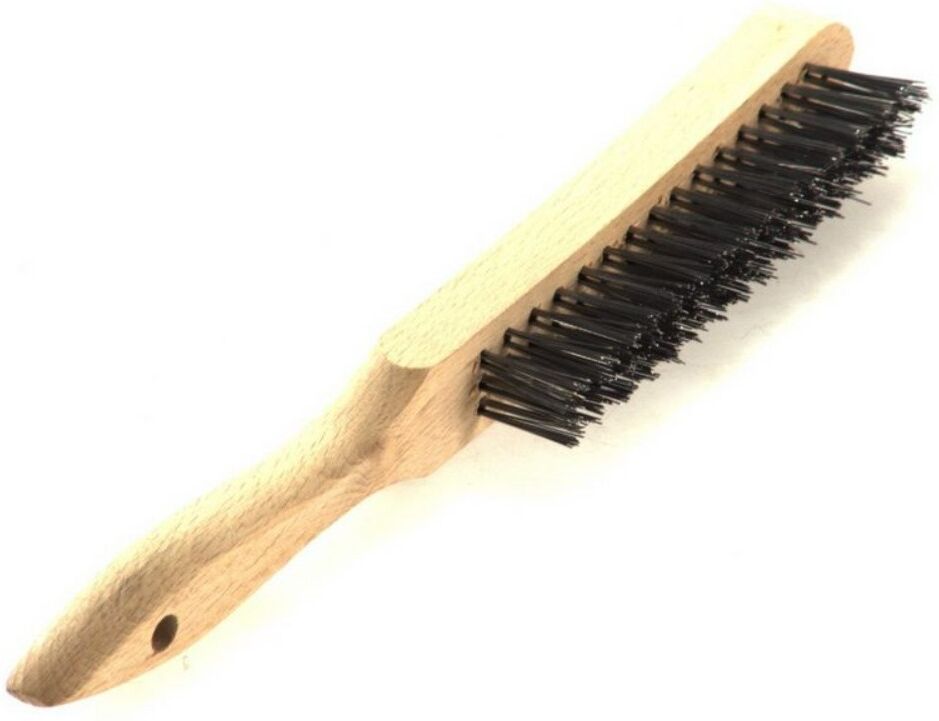

Similar search terms for Wire brush
Top-Angebote
Products related to Wire brush:
-
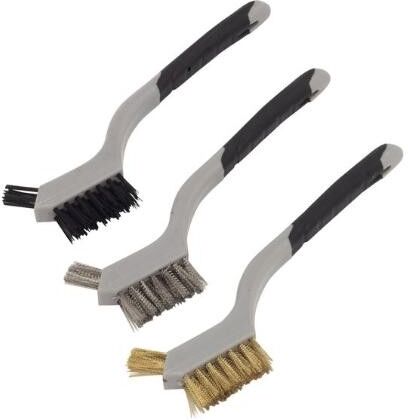
PFERD 43218006 Wire brushProduct line: SINGLETWIST; Bristle Material: Stainless Steel; Wire Diameter [mm]: 0.35; Overall Length [mm]: 65; Bristle Length [mm]: 25; Bristle Type: knotted version; RPM to [rpm]: 10000; Support plate diameter [mm]: 6; Quantity: 1010,49 £*Shipping: 8,45 £Secure redirect to the provider



-
How do I connect a 3-wire cable to accessories for a 2-wire cable?
To connect a 3-wire cable to accessories designed for a 2-wire cable, you will need to identify the purpose of the extra wire in the 3-wire cable. Typically, the extra wire is used for grounding or additional functionality. You can connect the two wires that correspond to the function of the 2-wire cable and leave the extra wire unconnected or cap it off. It's important to ensure that the connections are secure and insulated properly to avoid any electrical hazards. If in doubt, consult a professional electrician for assistance. **
-
How do I connect a 3-wire cable to accessories designed for a 2-wire cable?
To connect a 3-wire cable to accessories designed for a 2-wire cable, you will need to identify the purpose of the extra wire in the 3-wire cable. Typically, the extra wire is used for grounding or carrying a neutral wire. You can connect the 3-wire cable to the 2-wire accessory by connecting the corresponding wires together based on their functions. Make sure to follow proper wiring techniques and consult a professional if you are unsure about the connections. **
-
What is a four-wire circuit in measurement technology?
A four-wire circuit in measurement technology is a method used to accurately measure resistance by compensating for the resistance of the connecting wires. It consists of two pairs of wires - one pair carries the current to the resistor being measured, while the other pair measures the voltage drop across the resistor. By using this configuration, the resistance of the connecting wires is effectively eliminated from the measurement, resulting in more precise and accurate readings. This technique is commonly used in applications where high accuracy is required, such as in laboratory settings or calibration procedures. **
-
Is it recommended to use a V-shaped wire brush on a long handle to remove weeds from cracks?
It is not recommended to use a V-shaped wire brush on a long handle to remove weeds from cracks. This type of brush can be too aggressive and may damage the surface of the cracks, especially if they are in concrete or other delicate materials. It is better to use a softer brush or a specialized weeding tool designed for this purpose to avoid causing any damage to the surface. Additionally, using a chemical weed killer or simply pulling the weeds by hand may be more effective and less damaging to the surface. **
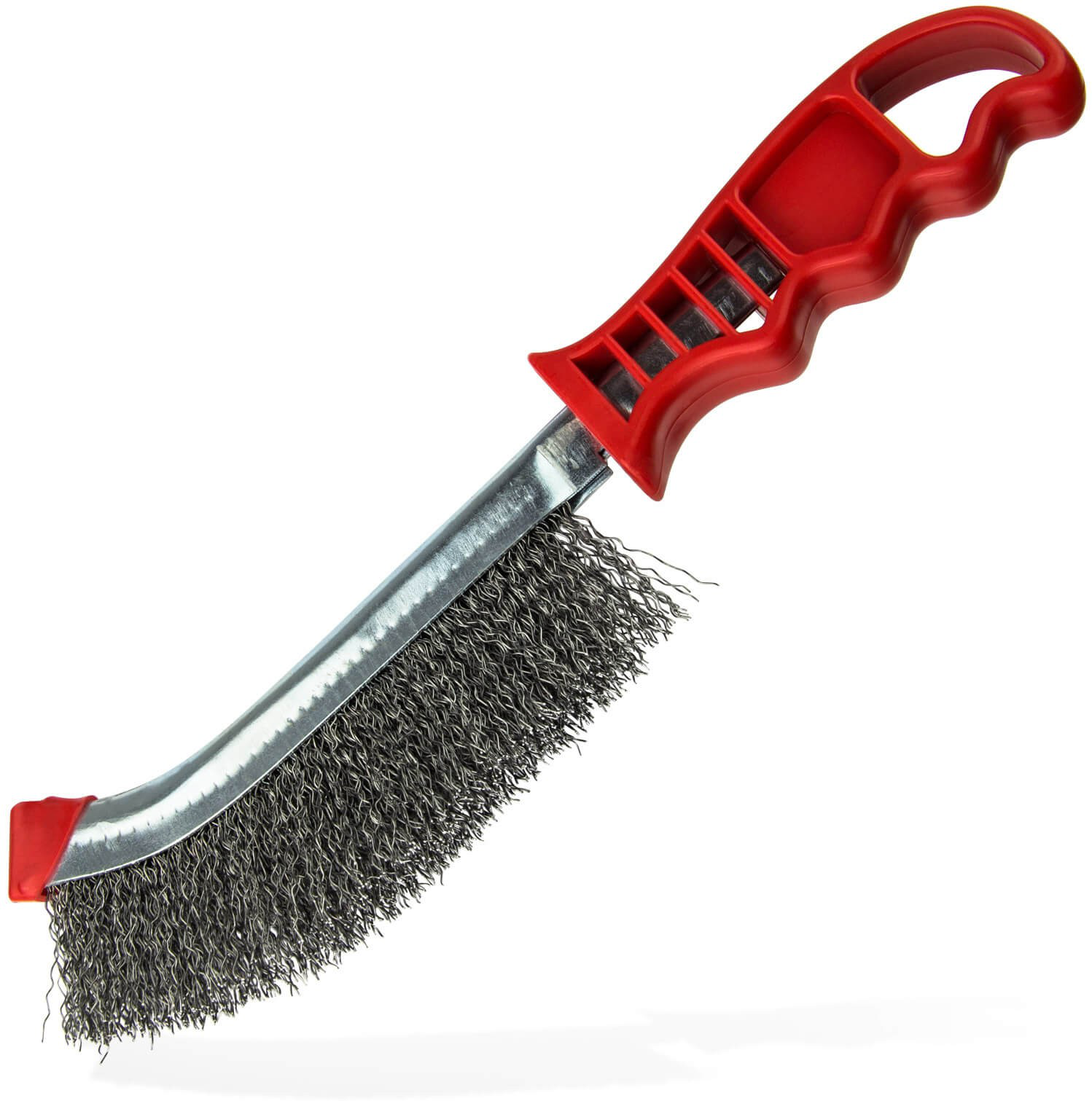
Is it recommended to use a V-shaped wire brush on a long handle to remove weeds in cracks?
It is not recommended to use a V-shaped wire brush on a long handle to remove weeds in cracks. Wire brushes can damage the surface of the cracks and surrounding areas, leading to potential structural issues. It is better to use a softer brush or a specialized tool designed for weed removal in cracks to avoid causing damage. Additionally, using chemical weed killers or natural weed removal methods may be more effective and less harmful to the surface. **
Which type of wire is better: copper enameled wire or copper wire?
Copper enameled wire is generally considered better than bare copper wire for certain applications. Enameled wire has a thin layer of insulation, which provides protection against corrosion and abrasion, making it suitable for use in electrical motors, transformers, and other devices where the wire may be subject to mechanical stress. On the other hand, bare copper wire is more flexible and easier to work with in some situations, but it is more susceptible to damage and corrosion. Ultimately, the choice between the two types of wire depends on the specific requirements of the application. **
Top-Angebote
Products related to Wire brush:
-
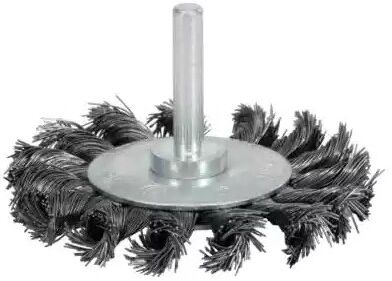
PFERD 43218006 Wire brushProduct line: SINGLETWIST; Bristle Material: Stainless Steel; Wire Diameter [mm]: 0.35; Overall Length [mm]: 65; Bristle Length [mm]: 25; Bristle Type: knotted version; RPM to [rpm]: 10000; Support plate diameter [mm]: 6; Quantity: 1010,49 £*Shipping: 8,45 £Secure redirect to the provider
-
How do you use a steel wire brush for grinding?
To use a steel wire brush for grinding, first ensure that the brush is securely attached to the grinding tool. Then, hold the brush at a slight angle to the surface being ground and apply gentle pressure as you move the brush back and forth. Be sure to wear appropriate safety gear, such as gloves and eye protection, to protect yourself from any debris that may be produced during the grinding process. Finally, periodically check the condition of the brush and replace it if it becomes worn or damaged. **
-
How do I sand a table with a wire brush attachment?
To sand a table with a wire brush attachment, start by securing the table firmly in place. Then, attach the wire brush to a power sander and turn it on. Move the wire brush back and forth across the surface of the table, applying even pressure. Be sure to work in the direction of the wood grain to avoid causing any damage. Once the table is evenly sanded, wipe away any dust and debris before applying a finish or paint. **
-
How do I connect a 3-wire cable to accessories for a 2-wire cable?
To connect a 3-wire cable to accessories designed for a 2-wire cable, you will need to identify the purpose of the extra wire in the 3-wire cable. Typically, the extra wire is used for grounding or additional functionality. You can connect the two wires that correspond to the function of the 2-wire cable and leave the extra wire unconnected or cap it off. It's important to ensure that the connections are secure and insulated properly to avoid any electrical hazards. If in doubt, consult a professional electrician for assistance. **
-
How do I connect a 3-wire cable to accessories designed for a 2-wire cable?
To connect a 3-wire cable to accessories designed for a 2-wire cable, you will need to identify the purpose of the extra wire in the 3-wire cable. Typically, the extra wire is used for grounding or carrying a neutral wire. You can connect the 3-wire cable to the 2-wire accessory by connecting the corresponding wires together based on their functions. Make sure to follow proper wiring techniques and consult a professional if you are unsure about the connections. **
Similar search terms for Wire brush
-
KS TOOLS 340.0039 Wire brushSetting Height [mm]: 15; Setting Width [mm]: 12; Support plate diameter [mm]: 6; Number of braids: 14; RPM to [rpm]: 15000; Material: Steel Wire; Total Length [mm]: 43,0; Weight [g]: 100; Shape: knotted version; Wire Diameter to [mm]: 0,5; Diameter 1 [mm]: 75,06,59 £*Shipping: 8,45 £Secure redirect to the provider
-
What is a four-wire circuit in measurement technology?
A four-wire circuit in measurement technology is a method used to accurately measure resistance by compensating for the resistance of the connecting wires. It consists of two pairs of wires - one pair carries the current to the resistor being measured, while the other pair measures the voltage drop across the resistor. By using this configuration, the resistance of the connecting wires is effectively eliminated from the measurement, resulting in more precise and accurate readings. This technique is commonly used in applications where high accuracy is required, such as in laboratory settings or calibration procedures. **
-
Is it recommended to use a V-shaped wire brush on a long handle to remove weeds from cracks?
It is not recommended to use a V-shaped wire brush on a long handle to remove weeds from cracks. This type of brush can be too aggressive and may damage the surface of the cracks, especially if they are in concrete or other delicate materials. It is better to use a softer brush or a specialized weeding tool designed for this purpose to avoid causing any damage to the surface. Additionally, using a chemical weed killer or simply pulling the weeds by hand may be more effective and less damaging to the surface. **
-
Is it recommended to use a V-shaped wire brush on a long handle to remove weeds in cracks?
It is not recommended to use a V-shaped wire brush on a long handle to remove weeds in cracks. Wire brushes can damage the surface of the cracks and surrounding areas, leading to potential structural issues. It is better to use a softer brush or a specialized tool designed for weed removal in cracks to avoid causing damage. Additionally, using chemical weed killers or natural weed removal methods may be more effective and less harmful to the surface. **
-
Which type of wire is better: copper enameled wire or copper wire?
Copper enameled wire is generally considered better than bare copper wire for certain applications. Enameled wire has a thin layer of insulation, which provides protection against corrosion and abrasion, making it suitable for use in electrical motors, transformers, and other devices where the wire may be subject to mechanical stress. On the other hand, bare copper wire is more flexible and easier to work with in some situations, but it is more susceptible to damage and corrosion. Ultimately, the choice between the two types of wire depends on the specific requirements of the application. **
* All prices are inclusive of VAT and, if applicable, plus shipping costs. The offer information is based on the details provided by the respective shop and is updated through automated processes. Real-time updates do not occur, so deviations can occur in individual cases. ** Note: Parts of this content were created by AI.